
Air Con Installation Cost Explained: Typical Prices, Factors and Savings
A residential air conditioning installation can feel expensive, but you can quickly estimate what it will cost and where your money goes. A typical single-room split system usually costs between £800 and £2,500 installed, while whole-house systems commonly range from £3,000 to £8,000 depending on size and complexity. Knowing these ranges helps you plan a realistic budget and avoid surprises.
Several factors change the final price: unit type, system capacity, installation difficulty, and any required electrical or structural work. You can reduce costs by choosing the right capacity for your space, comparing quotes, and scheduling installation during off-peak seasons.
Key Takeaways
Expect different price ranges for single-room and whole-house installations.
Total cost depends on equipment choice and installation complexity.
You can lower expenses by comparing quotes and matching system size to your space.
Factors Affecting Air Con Installation Cost
Several specific elements drive the final price: the type of unit you choose, how large and complex your property is, what installers charge locally, and the materials or additional work required. Each factor can add hundreds or thousands to the bill, so check these details before committing.

Type of Air Conditioner
The model and configuration you select create the biggest upfront cost differences. Single-split wall‑mounted systems are usually the cheapest to buy and install, often suitable for one room and typically costing less in materials and labour. Multi‑split systems and ducted central systems cost more because they require additional indoor units or full ductwork; expect higher component and installation expenses. Heat pumps (reverse‑cycle units) cost more than simple cooling‑only units but save energy year‑round, so factor lifetime running costs into your decision. High‑efficiency inverter models carry a premium but reduce electricity bills; check the unit’s SEER/EER ratings and refrigerant type for long‑term value.
Property Size and Layout
Square metreage and room layout strongly influence the residential air conditioning installation complexity and cost. Larger properties need higher capacity units or multiple systems, increasing equipment and labour costs; calculate cooling load in kW rather than guessing by room count. Older buildings or homes with solid brick walls, limited external access, or listed status may require specialised mounting, routing or permissions, which add time and expense. Multiple floors or rooms separated by fire‑rated partitions often need additional condensate drainage runs and refrigerant lines, each with associated labour. Measure internal wall space for indoor unit placement and external space for condensers to avoid unexpected modifications.
Labour Charges
Installer rates vary by region, certification and company reputation. Qualified F‑Gas‑certified engineers charge more but ensure legal refrigerant handling and warranty compliance. Expect higher hourly or fixed rates for weekend, emergency or out‑of‑area jobs. Labour estimates should state hours, number of technicians and included tasks (mounting, piping, electrical connection, commissioning). Ask whether the quote covers commissioning, system testing, gas charge, and paperwork for warranties; omitted items can become extra invoices. Get at least three written quotes and check reviews to balance cost against reliability and aftercare.
Required Materials
Materials beyond the unit itself add predictable costs you can control. Typical items include copper refrigerant pipe, insulation, electrical cable, isolator switches, wall brackets, condensate pumps and mounting pads; ducted systems add flexible ducts, grilles and insulation. Long pipe runs, oversized holes for access, or the need for a new consumer unit or dedicated circuit increase material and electrician charges. If installers must use scaffold, cherry‑picker or core drilling for tough external walls, include those hire fees. Ask for a line‑by‑line materials list on the quote so you can compare like‑for‑like and spot any unnecessary mark‑ups.
Average Costs of Air Con Installation
Expect typical UK residential air conditioning installation ranges from a few hundred to several thousand pounds depending on system type, labour and complexity. Key cost drivers include unit capacity (kW), number of indoor heads, and whether you need new pipework or electrical upgrades.
Cost Breakdown by System Type
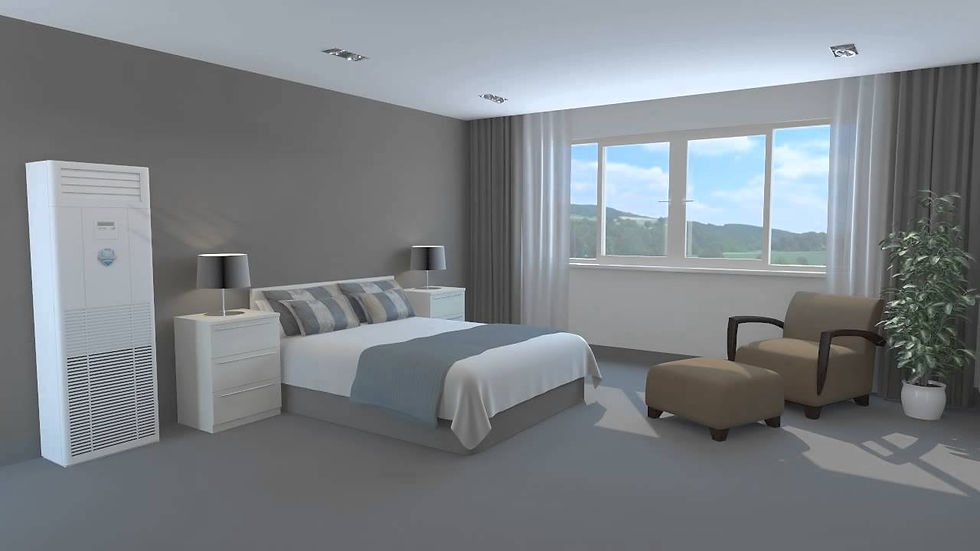
Split-system (single indoor unit with an outdoor compressor) typically costs £600–£1,800 installed for one room. Lower-end, low-capacity units nearer £600 suit small bedrooms; higher-capacity inverter models with better efficiency push toward £1,200–£1,800.
Multi-split systems (one outdoor, multiple indoor heads) usually range £1,800–£5,000 depending on number of heads. Expect about £400–£700 per additional indoor unit after the first, plus extra labour for routing refrigerant lines.
Ducted/central systems start at around £3,500 and commonly reach £6,000–£10,000 for whole-house installs. Costs rise with ductwork complexity, attic or underfloor access needs, and required control zones.
Portable units and window units are cheapest at £200–£600 but often need little or no professional installation; they offer lower efficiency and noisier operation.
Regional Price Differences
Labour rates vary across the UK; expect higher labour costs in London and the South East—typically 10–25% above national averages. Engineers in London commonly charge £60–£90/hour, whereas in northern regions rates of £35–£55/hour are typical.
Material and access charges also shift by region. Urban installs may add parking or permit fees; rural installs might add travel surcharges of £30–£100 for technicians and extra time for long runs of refrigerant piping.
Availability of qualified F-Gas registered engineers affects lead time and price. In areas with fewer specialists, you may pay premium rates or wait several weeks, which can increase overall project cost if rapid installation is required.
Single Room vs Whole House Installation
Installing a single-room split system commonly costs £600–£1,800 including a single indoor unit, wall bracket, and standard 3–5m pipe run. If installers need to drill through solid walls or run longer pipework, add £100–£400 to the price. Electrical upgrades such as a dedicated circuit add about £80–£250.
Whole-house solutions, whether multi-split or ducted systems, scale with head count and duct complexity. Expect £3,000–£10,000 for typical 3–5 bedroom homes. Additional costs include zoning controls (£150–£500 per zone), extensive ductwork (£500–£2,000), and scaffold or tower hire (£100–£400) if access is difficult.
Compare per-room cost: single-room installs are cheaper upfront, but per-room cost decreases with multi-head or ducted installs due to shared outdoor equipment. Factor in long-term running costs and efficiency when deciding between a single-room unit and a whole-house system.

Additional Expenses to Consider
Expect costs beyond the unit price: upgrades to your electrical supply, removing existing equipment, and routine servicing can each add hundreds to thousands of pounds. Plan for itemised quotes so you can compare specific tasks and warranties.
Electrical Upgrades
Older homes often need a dedicated circuit or a higher-capacity consumer unit to support a modern air conditioning system. You may require a new circuit breaker, wiring runs from the consumer unit to the outdoor condenser, and an isolator switch; those parts and labour typically cost between £200 and £1,200 depending on distance and complexity.
If your supply fuse is below the required amperage, an upgrade at the supplier’s end can add several hundred pounds and take scheduled work from your network operator. If your property lacks a suitable external socket or bonding, expect additional trunking and conduit work.
Ask installers for an electrical scope of works and a separate quote for mains upgrades. Get a certificate for any alterations—compliance documentation often forms part of the warranty and future property inspections.
Removal of Old Systems
Strip-out of an existing residential air conditioning installation or split system can range from a simple disconnect to full duct removal. Basic removal of a wall-mounted indoor unit and outdoor condenser with refrigerant recovery typically costs £150–£500.
If the old system includes ductwork, asbestos-containing materials, or integrated ceiling cassettes, specialist contractors and disposal fees will increase the price. Duct cleaning, sealing, patching of ceilings or walls, and repainting may add another £200–£1,000 based on the extent of repairs.
Ensure the installer provides proof of correct refrigerant recovery and a waste transfer note for hazardous materials. This avoids potential fines and protects your warranty and resale value.
Ongoing Maintenance Costs
To maintain efficiency and comply with warranty conditions, plan for annual servicing and occasional repairs. A standard service for a domestic split system usually costs £60–£120 and includes cleaning filters, checking refrigerant levels, and inspecting electrical connections.
If your system uses larger refrigerant charges or serves commercial spaces, annual servicing by a F-Gas-qualified engineer may cost £150–£300. Filter replacements, condensate pump repairs, and leak searches create variable costs; budget an extra £50–£400 per year depending on system age and usage.
Keep service records and receipts. Regular maintenance extends equipment life and helps you avoid sudden, expensive breakdowns.
Tips for Reducing Installation Costs
You can lower installation bills by choosing the right installer, timing the work to avoid peak demand, and preparing the site ahead of arrival. Focus on comparing detailed quotes and scheduling when installers have more availability. Air27 recommends planning your residential air conditioning installation well in advance to secure the best rates.
Comparing Installer Quotes
Get at least three written quotes that break down labour, materials, parts, and any required electrical or structural work. Ask installers to itemise refrigerant type, pipework length, condensate drainage, and whether they include commissioning, warranty registration, and disposal of your old unit.Use a short comparison table to spot differences quickly:
Item | Quote A | Quote B | Quote C |
Unit model & capacity | 2.5 kW inverter | 2.5 kW inverter | 3.0 kW inverter |
Labour (hrs) | 6 | 5 | 7 |
Materials | Included | +£120 | Included |
Warranty | 5 years | 7 years | 5 years |
Total | £1,800 | £1,920 | £2,100 |
Check installer credentials: ask for Gas Safe or relevant HVAC registration, recent customer references, and proof of public liability insurance. Negotiate on specific line items rather than total price; you can ask to remove non-essential extras or use your own simple brackets to reduce costs.
When planning residential air conditioning installation, Air27 suggests discussing all details with your chosen contractor to ensure transparency and avoid hidden charges. Air27’s experienced team can help you optimise your residential air conditioning installation for both efficiency and cost, ensuring your home stays comfortable year-round. For reliable residential air conditioning installation, contact Air27 for a tailored quote and expert advice.
For more insights, explore our blog on “Air Con UK Home” to better understand cooling solutions tailored to your needs.
Optimal Installation Timing
Book your residential air conditioning installation during off-peak months—late autumn or early spring—when demand drops and installers like Air27 often offer lower rates. Avoid late spring and summer when schedules fill and emergency call-outs can push prices up. Schedule mid-week slots rather than weekends to capture lower labour premiums. If you can be flexible by a few weeks, ask Air27 for their next cancellation list; you may secure a discounted rate on your residential air conditioning installation.
Prepare your property before the Air27 installer arrives: clear access to the installation area, remove furniture, and ensure electrical isolation points are accessible. Completing simple site prep yourself can shave hours off labour time and reduce the final invoice for your residential air conditioning installation.


Comments