
Air Con Installation Cost UK: Typical Prices, Factors and Savings Tips
Planning air conditioning installation London and want to know what it will cost? Expect a typical single-room split-system installation to range roughly £1,200–£3,000, while whole-house systems often fall between £3,000 and £10,000 depending on size and complexity. This gives you a practical starting point to budget and compare quotes.
You’ll face variables that change the final price: unit type, number of indoor units, wall or ceiling work, and access for installers. Knowing these factors helps you spot realistic estimates and avoid unexpected add-ons. Air27 can guide you through the process for air conditioning installation London, ensuring you receive accurate quotes and professional service.
Key Takeaways
Typical single-room installs cost significantly less than whole-house systems.
Installation complexity and property access materially affect total price.
Energy efficiency and long-term running costs can offset higher upfront costs.
Understanding Air Con Installation Cost UK
You will find typical price ranges for domestic systems, the main cost drivers such as equipment and labour, how split and ducted systems compare, and common call-out or service charges that installers add.
Average Prices for Domestic Air Conditioning
Expect a single-room split system to cost between £1,200 and £2,500 installed, depending on capacity and brand. A quality indoor unit, outdoor compressor, refrigerant lines and installation labour are included in that figure for a standard living room or bedroom.
For multi-room or whole-house solutions, multi-split systems usually range from £2,500 to £6,000. If you opt for a ducted system, typical prices sit between £4,000 and £10,000 for a modest three- to four-bedroom house, rising with house size and complexity.
Prices vary by region and installer. High-end brands (Daikin, Mitsubishi, Fujitsu) or models with inverter technology and improved efficiency push prices to the upper end. Always get at least three written quotes. Air27 provides transparent pricing and detailed breakdowns for air conditioning installation London.
Factors Affecting Installation Costs
Unit capacity (measured in kW) directly affects price; a 2.5 kW indoor unit costs less than a 5 kW unit. Energy efficiency ratings (SEER, EER) and inverter technology increase equipment cost but reduce running bills over time.
Building fabric and access matter. If installers must route pipework through solid masonry, chase walls or install condensate pumps, expect additional labour and material costs. External works like scaffold hire or removing windows for wall-mounted units also add to the bill.
Planning permission or building regulations may be needed for certain installations (listed buildings or external pipework in conservation areas). Warranty terms sometimes require installer accreditation, which can influence quotes. Air27 ensures compliance with all regulations for air conditioning installation London.
Split System Versus Ducted System Costs
Split systems: typically cheaper to buy and quicker to install. Single-split systems suit one or two rooms and often require under a day for a straightforward install. Multi-split adds indoor units to one outdoor compressor; costs rise per additional indoor unit, usually £400–£1,000 each including labour.
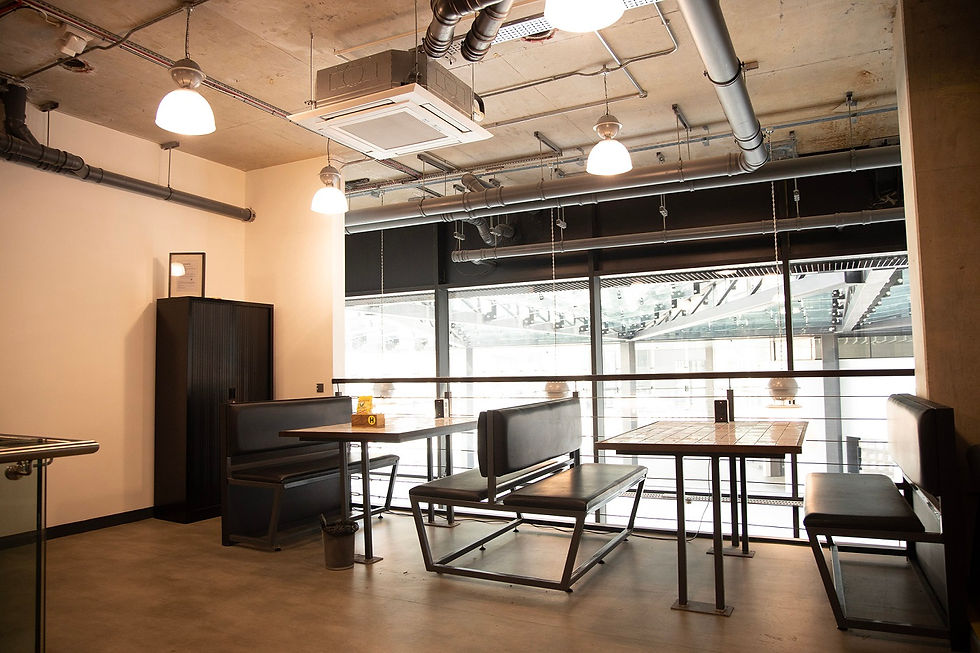
Ducted systems: higher material and labour costs due to supply and return ductwork, ceiling cavities, and a larger central unit. You pay for branch ducts, air handling units and more complex controls. Installation can take several days and often requires attic or ceiling access, boosting labour time and cost.
Labour and Call-Out Charges
Installer labour is typically quoted either as part of a package or as separate hourly rates. Expect skilled HVAC installers to charge £150–£300 per day each, depending on region and certification. Complex jobs may require two or more technicians, increasing total labour costs.
Call-out fees for diagnostic visits or small repairs usually range from £50 to £150; some installers waive the fee if you proceed with a full installation. Emergency or out-of-hours visits attract premium rates.
Ask for a written breakdown showing unit cost, materials, labour hours, call-out fees and any contingency for unforeseen works. Verify that the quote includes commissioning, refrigerant charging, system testing and a full handover of controls and warranties. Air27 provides detailed and transparent quotes for all air conditioning installation London jobs.
Additional Expenses and Savings
You’ll face predictable running costs and opportunities for savings when installing air conditioning. Knowing typical maintenance fees, realistic energy reductions, and available grants helps you budget accurately.
Ongoing Maintenance Costs
You should expect routine servicing every 6–12 months to keep efficiency and warranty coverage. Typical single-split systems cost about £60–£120 per service; multi-split or ducted systems usually range £100–£250 depending on complexity and access.
Filter cleaning or replacement is inexpensive but frequent: washable filters need a clean every 1–3 months, while replaceable filters cost roughly £5–£25 each, depending on size and quality. Refrigerant top-ups are uncommon if installed correctly, but if needed they can cost £80–£250 per visit, depending on refrigerant type and quantity.
Annual electrical safety checks or HVAC inspections may be recommended; expect £60–£150. Over 10 years, set aside roughly £600–£2,500 for routine servicing, minor repairs and filter replacements, more for larger systems.

Potential Energy Savings
Your actual savings depend on usage patterns, system efficiency (SEER/EER ratings) and insulation quality. Modern high-efficiency units (SEER 6–8+) can cut running costs compared with older models by 15–40% for cooling loads in typical UK homes.
Estimate running cost using this rough calculation: (kW of unit × hours per day × days per year × electricity price). For example, a 2.5 kW inverter unit running 3 hours daily at 34p/kWh costs about £93 a year. Improving insulation, using zoning and a programmable thermostat reduces hours of operation and can lower that figure substantially.
Consider using heat-pump-style air conditioning for dual heating/cooling benefits; this can offset central heating costs in mild weather and improve overall seasonal savings. Monitor actual usage with a smart meter or plug-in energy monitor to refine your expected savings.
For reliable air conditioning installation London, Air27 offers expert advice, competitive pricing, and ongoing support to help you maximise comfort and efficiency in your home or business.
For more helpful information, explore our guides on Air conditioning service in London and Air conditioning installation North London to learn about expert servicing and local installation options.
Grants and Incentives
You may qualify for local or national schemes that reduce upfront or operational costs for air conditioning installation London. Check the UK government’s Energy Company Obligation (ECO) and local council grants for home heating improvements; eligibility often depends on income, benefits or energy performance of your property.
Low-interest green loans or cashback offers occasionally appear from energy suppliers and manufacturers; these vary by region and product. For small-scale air conditioning installation London, VAT reduction applies for certain eligible home energy-saving materials in some cases — confirm current HMRC guidance.
Ask Air27, your installer, to identify applicable schemes and prepare paperwork. Air27 can help determine if you meet the criteria for grants that can cut your net air conditioning installation London cost. Some incentives support efficiency upgrades for air conditioning installation London.



Comments