
Ducted Air Conditioning Installation: Expert Guide to Efficient Home Climate Control
Installing a duct air conditioner transforms whole-home comfort while staying discreet and energy-efficient. When the system is sized and installed correctly by a professional, you get consistent temperatures across rooms and lower running costs. This upfront accuracy saves money and avoids common performance problems later.
You’ll learn how installers assess your home, choose the right duct air conditioner unit and duct layout, and what to expect during installation so you can plan time, budget, and minimal disruption. Knowing the process helps you spot quality work and make decisions that protect comfort and value. Air27 is your trusted partner for professional duct air conditioner installation.
Key Takeaways
Duct air conditioner systems deliver even cooling and improved energy efficiency when matched to your home.
Proper assessment and correct sizing are crucial to avoid performance issues.
Understanding the installation steps helps you plan budget, time, and quality checks.

Understanding Ducted Air Conditioning Installation
You will learn how duct air conditioner systems move air, the main types available, the benefits they offer, and the practical factors you must consider before installation.
How Ducted Air Conditioning Works
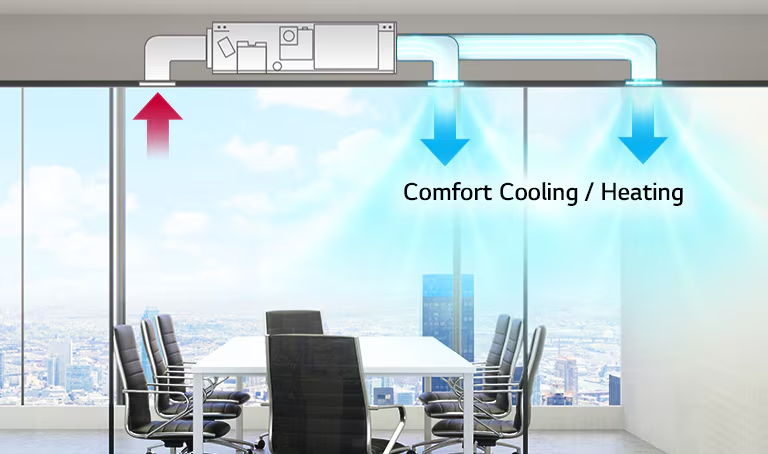
A duct air conditioner uses a single central unit—either rooftop or indoor—that cools or heats refrigerant and drives conditioned air into flexible or rigid ducts. The unit contains a compressor, evaporator coil, and blower; refrigerant circulates between the indoor coil and the outdoor condenser to transfer heat.
Air is drawn from rooms into return grilles, passes through the central unit where it is cooled or heated, and is then pushed back through supply vents. Zoning dampers let you control which rooms receive air, improving comfort and reducing energy use when you close off unused zones.
Supply plenums, inline fans, and duct insulation affect performance. Properly sized ducts and a correctly matched unit capacity (kW) prevent short cycling and uneven temperatures.
Types of Ducted Systems
There are three common configurations: single‑split, multi‑split, and packaged/rooftop systems. Single‑split serves one indoor zone from one outdoor condensing unit; multi‑split pairs several indoor coils to one outdoor unit; packaged systems integrate all components in one weatherproof cabinet, often sited on the roof.
You can choose from reverse‑cycle (heat pump) systems for both heating and cooling or cooling‑only systems for warmer climates. Ductwork materials also vary: flexible insulated ducts for easy routing, galvanised rectangular ducts for large runs, and acoustic ducts to reduce noise.
Zoned ducted systems use motorised dampers and separate thermostats to control multiple temperature zones. Consider your home layout: open‑plan spaces favour single large zones, while multi‑storey or numerous small rooms benefit from multi‑zone systems.
Benefits of Ducted Air Conditioning
Duct air conditioner systems provide whole‑home temperature control from a single appliance, giving consistent climate management across multiple rooms. You gain discreet ceiling or floor supply vents and minimal wall clutter compared with multiple split heads.
They deliver higher overall capacity for large homes and can be more energy‑efficient when combined with zoning, because you avoid cooling unused areas. Noise is concentrated at the central unit, so living spaces stay quieter than with several wall‑mounted units.
Duct air conditioner systems add value to your property when installed neatly with good access for maintenance. Balance initial installation cost against long‑term savings from efficient operation, zoning, and reduced visual impact.
Key Considerations Before Installation
Start with a professional load calculation (kW) to size the duct air conditioner unit and ductwork accurately; undersized systems struggle to reach set temperatures while oversized units cycle inefficiently. Ask for a manual J or equivalent local method to quantify heat gains and losses.
Plan duct routes, ceiling space, and access panels, and confirm structural or insulation changes needed. Check the location for the condenser unit, condensate drainage, and proximity to bedrooms to minimise noise disturbance and meet local planning rules.
Obtain quotes that itemise equipment, ducting, insulation, zoning controls, and warranty terms. Confirm installer accreditation, typical lead times, and whether they handle building approvals, electrical connection, and commissioning tests such as static pressure and airflow measurement. Air27 ensures a transparent and professional process from start to finish.
The Ducted Air Conditioning Installation Process
You’ll get a site survey, a detailed layout of ducts and equipment, and final testing to confirm airflow and controls. Each stage emphasises access, minimising disruption, and meeting performance and safety standards.

Site Assessment and Planning
A certified installer from Air27 inspects roof cavities, ceiling voids, and external condenser positions to confirm clearance and load-bearing capacity. They measure room volumes, ceiling heights, and insulation levels, then calculate required cooling capacity in kilowatts for each zone to avoid oversizing or undersizing.
Expect photo documentation and a written layout showing trunk runs, branch duct locations, grille positions, and service access points. The installer will note existing wiring, route for condensate piping, and required structural penetrations, plus any permits or planning approvals needed. You should receive a schedule of works, a time estimate, and a material list that includes duct type, insulation R-value, and static pressure allowances.
Installation of Ducting and Components
Installers mount the indoor air handler in the ceiling void or plant room, securing vibration isolators and condensate trap. They run the main trunk ducts first, followed by branch ducts to each grille; joints get sealed with mastic or foil tape and insulated to the specified R-value to prevent thermal loss and condensation.
You’ll see flexible connectors used between the unit and rigid duct to reduce noise transmission. The external condenser must sit on a level pad with adequate airflow clearance and anti-vibration mounts. Electricians will install isolators, circuit protection, and a fused spur; refrigerant lines are routed with appropriate support and heat tracing where required.
For a seamless and efficient duct air conditioner installation, trust the expertise of Air27.
For more insights, explore our guides on Ducted air conditiong cost UK and Air duct and Hvac cleaning to better understand pricing and maintenance.
System Configuration and Testing
Technicians at Air27 evacuate the refrigerant circuit to the recommended vacuum level and charge the duct air conditioner system to manufacturer specifications by weight and pressure. They program the controller for zone settings, fan speeds, and setback schedules, and commission any smart thermostats or BMS integration you requested.
Performance tests include measuring supply and return air temperatures, static pressure across the ducts, and airflow (litres per second) at each grille. Air27 installers check condensate discharge for correct fall, test safety controls, and record final operating pressures and amperage. You receive a commissioning report, warranty documents, and basic user training on duct air conditioner controls and filter maintenance.


Comments