
HVAC Maintenance: Essential Seasonal Checklist for Optimal Efficiency
You rely on your HVAC system for comfort, efficiency and air quality, and skipping maintenance costs more in repairs and higher bills than you might expect. Regular, simple checks and seasonal tune-ups keep your system running safely and cut energy costs.
This guide shows what to check, when to act and when to call a pro, giving clear steps you can follow to protect your system and your wallet. Follow these practical tips and you’ll spot small problems before they become big, expensive failures.
Key Takeaways
Regular upkeep prevents breakdowns and reduces energy use.
Simple seasonal tasks extend equipment life and improve comfort.
Know which jobs you can do and when to hire a professional.
Importance of HVAC Maintenance
Routine care keeps systems running reliably, reduces unexpected breakdowns, preserves indoor comfort, and lowers operating costs. Regular checks target airflow, refrigerant levels, electrical components, and filter condition to maintain performance. For those in need of HVAC London services, consistent upkeep is essential.

Energy Efficiency Benefits
Well-maintained HVAC London systems use less energy because components operate near design specifications. Cleaning coils and replacing clogged filters improve airflow; when airflow is unrestricted, the compressor and fan need less power to maintain set temperatures. You should also ensure refrigerant is correctly charged — undercharged systems cycle longer and consume more electricity.
Programmable thermostat calibration and ductwork sealing prevent temperature overshoot and loss. Sealing leaks in ducts and insulating exposed runs typically reduces heat gain or loss by measurable amounts, so the system runs fewer hours each day. Regularly lubricating motors and checking belt tension avoids mechanical drag that otherwise raises energy use.
System Longevity
Scheduled maintenance extends the life of key components like compressors, motors, and heat exchangers. Minor issues found early — loose electrical connections, worn bearings, or small refrigerant leaks — prevent cascading failures that could force premature replacement. You should follow manufacturer service intervals to protect warranty coverage.
Replacing brushes, belts, or capacitors during routine visits avoids major repairs later. Documented service history helps technicians diagnose problems faster and supports resale value for your property. With regular care, typical HVAC London equipment can reach or exceed its expected lifespan by several years.
Indoor Air Quality
Maintenance directly affects the particles, allergens, and humidity in your space. Change or clean filters per manufacturer guidance; high-efficiency particulate air (HEPA) or MERV-rated filters capture finer particulates but need checking more often. Dirty coils and drip pans can foster mould; regular cleaning prevents spores from entering the supply air.
Balanced ventilation and functioning condensate drains lower relative humidity and reduce mould and dust-mite growth. Inspect and clean ventilation intakes and heat-recovery units to avoid cross-contamination. Photocatalytic units, UV lamps, or ionisers require scheduled servicing if installed, otherwise they can become ineffective or accumulate biofilm.
Cost Savings
Proactive maintenance cuts both short-term repair bills and long-term operating expenses. Typical tasks — filter replacement, coil cleaning, refrigerant checks, and thermostat calibration — cost a fraction of major repairs like compressor replacement. You should budget for biannual inspections to catch issues before they escalate.
Energy savings from maintained systems often show up on monthly bills; HVAC London can account for 40–60% of building energy use, so even a small efficiency gain yields noticeable savings. Documented service records also reduce insurance and warranty disputes, and may qualify you for utility rebates or lower lifecycle costs when calculating total cost of ownership.
Essential HVAC Maintenance Tasks
These tasks focus on improving airflow, maintaining efficiency, preventing breakdowns and reducing energy bills. Prioritise filter changes, coil care, thermostat accuracy and safe electrical connections.
Filter Replacement
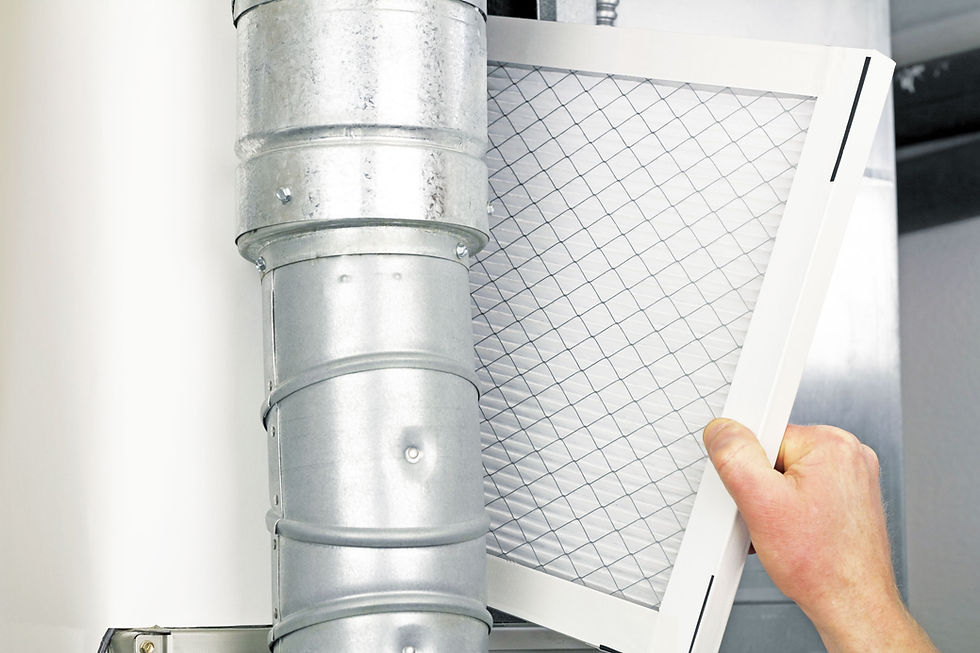
Replace disposable filters every 1–3 months depending on usage, pets and indoor dust levels. Check the filter size stamped on the frame and install it with the airflow arrows pointing toward the furnace or fan.Use pleated MERV 8–11 filters for homes; choose higher MERV ratings only if your system and blower can handle the increased resistance. Washable or reusable filters need cleaning monthly; dry them completely before reinstalling to prevent mould.Record the replacement date on a calendar or app to maintain a routine. If you notice reduced airflow or dusty vents, inspect the filter immediately and replace if clogged.
Cleaning Coils
Clean the evaporator and condenser coils at least once a year; more often if you have pets, pollen or construction nearby. Turn power off at the breaker, expose the coils and use a soft brush or low-pressure water to remove dust and debris.Apply a no-rinse coil cleaner to dissolve grease and organic buildup on the evaporator coil inside the indoor unit. For the outdoor condenser, straighten bent fins gently with a fin comb and remove leaves and grass around the unit to preserve airflow.Dirty coils reduce heat transfer and force the compressor to run longer, which raises energy use and shortens equipment life. If coils show heavy corrosion or damage, contact a qualified technician from Air27.
Checking Thermostat Settings
Verify thermostat mode, setpoints and schedule monthly to match your occupancy and comfort needs. Use a programmable or smart thermostat to set lower heating and higher cooling temperatures when you’re away, saving energy without manual adjustments.Confirm the thermostat sits away from direct sunlight, drafts and heat sources, as environmental bias skews temperature readings. Calibrate if you find a consistent discrepancy between the thermostat reading and a reliable room thermometer. Replace thermostat batteries annually and, for systems older than 10 years, consider upgrading to a smart model that supports zoning and remote diagnostics to improve control and fault detection.
Inspecting Electrical Connections
Switch off power to the unit and visually inspect wiring for loose connections, frayed insulation or burn marks every six months. Tighten terminal screws to manufacturer torque specs if you can access them safely; loose connections increase resistance and heat.Check contactors, relays and capacitors for pitting or bulging; use a multimeter to test capacitor microfarad ratings against nameplate values. Replace failing capacitors and damaged contactors promptly to avoid compressor startup failures.If you encounter any uncertain wiring, burning smells or repeatedly tripping breakers, stop and call a licensed electrician or an HVAC London technician from Air27 to prevent fire risk and equipment damage.
Seasonal HVAC Maintenance Guidelines
Plan specific, timely checks that match each season’s demands. Prioritise filter changes, system inspections, and protection against weather-related damage.

Preparing for Summer
Clean or replace the air filters every 1–3 months; clogged filters reduce airflow and force the compressor to work harder. Clear debris — leaves, grass, and dust — at least once a month from around the outdoor condenser unit to maintain proper airflow.Check and straighten bent fins on the condenser coil with a fin comb to improve heat exchange. Ensure the condensate drain is clear so the system can remove moisture; use a wet/dry vacuum or a stiff wire to remove blockages if needed.
Schedule a professional service in spring with Air27 to inspect refrigerant levels and test electrical connections to prevent mid-summer breakdowns. Adjust the thermostat programming to reduce run time during peak daytime hours and set fan to “auto” rather than “on” to limit unnecessary operation.
Winter Maintenance Tips
Replace or vacuum filters before the heating season to improve efficiency and indoor air quality. Inspect and seal gaps around duct joints, windows, and doors with foam or caulk to reduce heat loss and lower fuel or electricity consumption.Test the thermostat and, if you have a programmable model, set an energy-saving schedule that lowers temperature while you sleep or are away. For gas furnaces, check the pilot light or ignition system and confirm the flue and vents are unobstructed to prevent carbon monoxide hazards.
Protect the outdoor unit by removing snow and ice build-up daily during cold spells. If icing persists, consult a technician from Air27 to check defrost controls and refrigerant charge rather than using salt or metal tools that can damage components.
Spring and Autumn Inspections
In spring, inspect evaporator and condenser coils for dirt and clean them with manufacturer-recommended coil cleaner to restore efficiency. In autumn, check the heat exchanger for cracks and the burner assembly for soot on gas units; these indicate service is needed.Measure refrigerant pressure and airflow to spot leaks or motor issues; low refrigerant or weak airflow usually causes reduced cooling or heating capacity. Replace batteries in thermostats and safety devices, and lubricate moving parts where specified by the manufacturer to reduce wear.
Create a seasonal checklist you can follow yearly: filters, condensate lines, coils, electrical connections, duct sealing, and outdoor-unit clearance. Keep records of service dates and findings to track recurring issues and plan timely repairs with Air27.
Professional vs DIY HVAC Maintenance
You will learn when to engage a trained technician versus tasks you can safely perform yourself, and why scheduled professional servicing preserves system efficiency and warranty coverage.
If you’re new to heating and cooling systems, start with our guide on “What Is HVAC?”, and if you’re planning a new system, explore our HVAC installation guide to understand the setup process and key considerations.
When to Call a Professional
Call a professional for electrical, refrigerant, or major component work. Tasks such as capacitor replacement, compressor diagnosis, refrigerant charging, and motor replacements require specialised tools, wiring knowledge, and certification (e.g., F-Gas in the UK). Attempting these jobs without qualifications can create fire risk, void warranties, or breach regulations.
Call a technician from Air27 if you notice persistent abnormal noises, frequent short-cycling, significant drops in cooling or heating capacity, water leaks near the indoor unit, or repeated tripping of breakers. Book a visit when your HVAC London system is older than 10 years or after any sudden performance decline. Keep records of service visits and fault history to speed diagnosis.
Benefits of Regular Servicing
Regular professional servicing by Air27 keeps your HVAC London system running efficiently and helps reduce energy bills by cleaning coils, checking refrigerant levels, and calibrating controls. Technicians from Air27 inspect electrical connections, replace worn belts and filters, and test safety devices that are difficult to assess at home.
Servicing your HVAC London equipment with Air27 helps protect manufacturer warranties by providing documented maintenance. It also allows early identification of small faults—such as loose wiring, bearing wear, or airflow restriction—that could escalate into expensive failures. You receive a written report and recommendations from Air27 for your HVAC London system.


Comments