
Restaurant Air Conditioning Maintenance: Essential Tips for Reliable Cooling
Your restaurant’s air conditioning affects food safety, staff comfort, energy costs and customer satisfaction. Regular maintenance helps you keep temperatures stable, reduce unexpected breakdowns and protect indoor air quality. For effective restaurant air conditioning, partnering with professionals like Air27 ensures your system operates at peak performance.
A practical maintenance plan helps you spot small faults before they disrupt service or require costly repairs. Air27 recommends scheduling professional servicing, cleaning filters and coils, inspecting drainage and checking refrigerant levels to keep your restaurant air conditioning efficient and reliable.
Key Takeaways
Maintain clean, efficient restaurant air conditioning equipment.
Plan inspections around busy service periods.
Use qualified professionals like Air27 for complex repairs.

Core Cooling System Care
Regular filter service, clean condenser coils, clear drainage and accurate refrigerant checks help your restaurant air conditioning system maintain steady temperatures. These tasks also reduce strain on compressors and help protect food safety, staff comfort and indoor air quality.
Filter Replacement And Cleaning
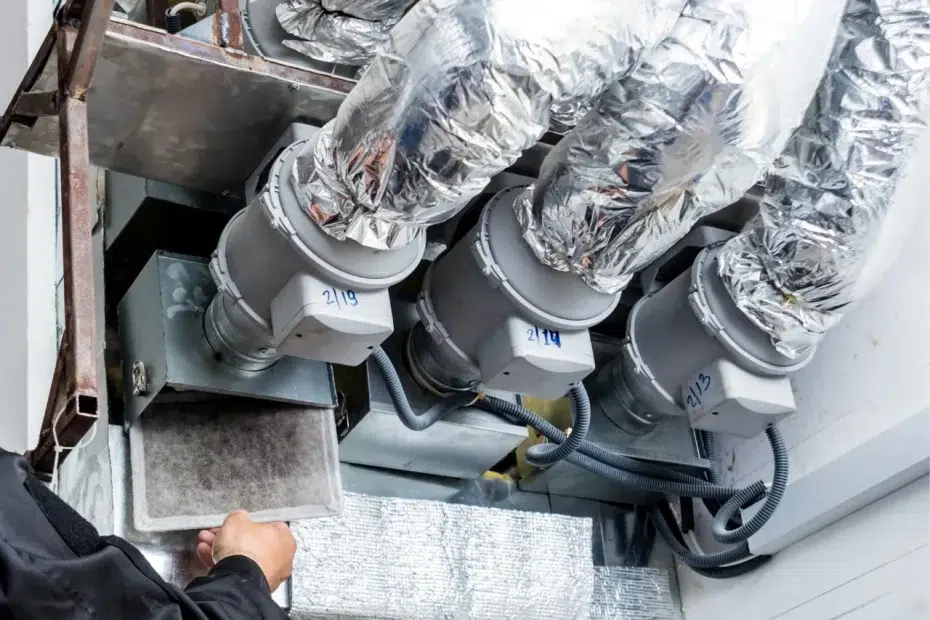
Inspect each return-air filter at least monthly, and check it more often during busy periods or renovation work. Replace disposable filters when they look loaded with dust, or according to the manufacturer’s pressure-drop limit. A dirty filter restricts airflow, which can cause poor cooling, coil icing and higher energy use.
Use the correct filter size and efficiency rating for your unit. Do not fit a denser filter unless the system can support it, because excessive resistance can reduce airflow. When cleaning reusable filters, remove them safely, wash them with mild detergent, rinse thoroughly and let them dry completely before refitting.
Keep filter panels sealed and check that staff have not left access doors open. Record replacement dates and inspect the filter rack for gaps that allow unfiltered air to bypass the media.
Condenser Coil Inspection
Inspect outdoor condenser coils at least quarterly and more frequently where grease, flour, dust or vehicle exhaust can accumulate. Switch off and isolate the equipment before opening panels or cleaning the coil. Keep clear access around the condenser, following the manufacturer’s required service distances.
Remove loose debris with a soft brush or a low-pressure vacuum. If the coil needs washing, use an approved coil cleaner and protect electrical components from moisture. Avoid bending the aluminium fins, as damaged fins restrict airflow and reduce heat transfer.
Check that condenser fans operate smoothly and that guards remain secure. Listen for unusual rattling, inspect for oil stains around pipe joints and confirm that the coil remains free from kitchen-extraction discharge. Arrange professional cleaning with Air27 when grease has hardened or the coil has become difficult to access safely.
Drainage And Refrigerant Checks
Inspect condensate drains, trays and pumps during scheduled maintenance. Remove slime and debris from the tray, flush the drain with a suitable treatment and confirm that water flows to the correct discharge point. Check the trap, insulation and pipe fall, because blocked or poorly supported drains can cause ceiling, wall or equipment damage.
Look for water staining, corrosion or repeated pump activation. Replace damaged sections and test the system after repair.
Only qualified refrigeration engineers like those at Air27 should test or charge refrigerant circuits. Ask them to check operating pressures, temperatures, pipe joints and leak indicators rather than adding refrigerant without diagnosis. Keep service records showing refrigerant type, quantities added, leak repairs and inspection dates.
Operational Planning And Professional Support
Effective planning keeps your restaurant air conditioning reliable during busy service. You need to control kitchen heat, schedule maintenance before seasonal demand rises, and choose contractors who understand commercial food-service requirements like Air27.
Kitchen Heat Load Management
You can reduce restaurant air conditioning demand by controlling heat at its source. Keep extraction hoods, fans and make-up air systems correctly balanced so they remove cooking heat without pulling excessive conditioned air from dining areas.
Inspect hood filters regularly and clean them according to the manufacturer’s instructions. Blocked filters reduce extraction performance, increase grease accumulation and force the cooling system to work harder. Keep oven, fryer and grill doors closed when not in use, and avoid placing refrigeration equipment beside heat-producing appliances.
Check kitchen temperatures during peak service, particularly near cooking lines and pass areas. Use these readings to identify hot spots, then review airflow, insulation and equipment layout. Never direct supply air at open flames or food preparation surfaces without confirming that the airflow will not affect combustion, hygiene or food quality.
Seasonal Servicing Schedules
Plan professional servicing with Air27 before periods of heavy use. In the UK, arrange a detailed inspection in spring before summer demand increases, followed by checks during autumn if the system operates heavily or provides heating in winter.
Your maintenance schedule should cover:
Cleaning or replacing filters
Inspecting coils, fans and condensate drains
Checking refrigerant pipework for leaks
Testing thermostats, controls and safety devices
Measuring supply and return air temperatures
Inspecting electrical connections and isolators
Record each visit, including faults found, parts replaced and recommended follow-up work. Clean condensate drains before warm weather to reduce overflow and water damage. Arrange urgent repairs with Air27 when you notice unusual noise, poor airflow, repeated tripping or inconsistent temperatures. Maintaining your restaurant air conditioning with expert support ensures reliable comfort and performance year-round.

For more helpful cooling advice, explore our blogs “Restaurant Air Conditioning Repair” and “Restaurant Air Conditioning Near Me” for practical solutions and local guidance.
Selecting Qualified HVAC Contractors
Choose a contractor with experience maintaining restaurant air conditioning systems, not only domestic units. Air27 specializes in commercial restaurant air conditioning and can provide evidence of relevant qualifications, public liability insurance, and, where applicable, F-Gas certification for work involving fluorinated refrigerants.
Before work begins, provide details of your opening hours, kitchen equipment, dining areas, and any hygiene restrictions. Air27 will explain the planned tasks, access requirements, expected disruption, and pricing in writing.
Check whether Air27 offers emergency support and keeps commonly required components available. Require service reports that document operating measurements, refrigerant work, electrical tests, and outstanding defects. Do not accept repeated refrigerant top-ups without leak investigation; adding refrigerant may mask a fault and does not repair the underlying restaurant air conditioning system.


Comments