
Scheduling Air Con Maintenance London: A Practical Guide
Booking a service before the weather turns is the single best way to keep an air conditioning system reliable through the year. Left unchecked, filters clog, refrigerant levels drop, and units start working harder for weaker results, which shows up as higher bills and warmer rooms just when you need cooling most.
Scheduling air conditioning maintenance London properties can rely on means picking the right timing, the right frequency, and a provider who knows the difference between a quick filter clean and a job that needs an F-Gas certified engineer. Air27 works across residential and commercial sites throughout the capital, and the pattern is consistent: systems serviced on a planned schedule break down far less often than ones left to run until something goes wrong.
This guide covers when to book, what a proper visit involves, and how to tell whether your system needs a one-off check or an ongoing maintenance plan.

When Should You Arrange a Service Visit?
Most London homes need one service a year, while businesses running cooling systems daily often benefit from two. Timing matters as much as frequency: booking in autumn or winter means engineers have easier access, shorter wait times, and the chance to fix small issues before the first warm spell arrives.
How Often Do Homes and Businesses Need Servicing?
Residential air conditioning in a typical home in Camden or Islington usually needs servicing once a year. Commercial air conditioning in busier settings, such as offices in Westminster or retail units in Covent Garden, tends to need attention twice a year because the units run longer hours and face heavier use.
Ventilation systems and cooling systems that support server rooms or medical settings often justify quarterly checks. If your setup falls into that category, an annual maintenance plan with fixed visit dates removes the guesswork.
What Signs Mean Your System Needs Attention Now?
Weak airflow, strange noises, musty smells, or an unexplained jump in energy bills all mean your air conditioning units need looking at before the next scheduled visit. These signs point to blocked filters, drainage issues, or a refrigerant leak, and waiting can turn a simple fix into a full repair.
Choosing One-Off Servicing or an Annual Maintenance Plan
A single service visit suits homes with light use and no history of faults. Securing regular air conditioning maintenance London property managers can depend on locks in pricing and guarantees an engineer slot before peak summer demand.
Finding a Suitable Appointment Across London
Coverage varies by provider, so check whether a company reaches your borough before booking. Air27 schedules visits across Central London, West London, North London, and South London, taking in areas including Chelsea, Kensington, Hackney, and Soho, which makes it straightforward to fit a service around home or business hours regardless of postcode.
What Does Professional Maintenance Include?
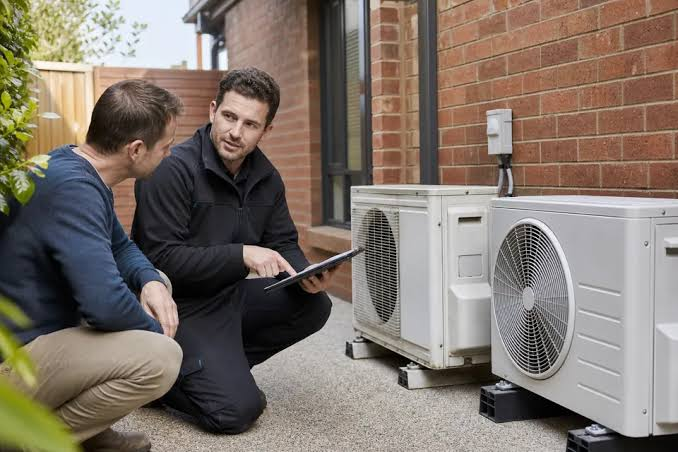
A professional visit covers cleaning, safety testing, and a full check of refrigerant levels and electrical components, usually within one to two hours depending on system size. Engineers work through split systems and other types of air conditioners methodically, checking each part against a set standard rather than a quick visual glance.
Essential Cleaning
Filter cleaning comes first, since a clogged filter restricts airflow and forces the whole system to work harder. Engineers also clean evaporator and condenser coils and clear the condensate drain, which stops leaks, damp patches, and mould from building up inside the unit.
Safety and Performance Checks
Electrical connections get inspected for wear, loose terminals, and insulation faults that could pose a safety risk. Thermostat settings are tested for accuracy too, confirming the system holds the temperature it's set to rather than drifting and wasting energy.
Why Refrigerant and F-Gas Compliance Matter
Refrigerant level checks catch a slow refrigerant leak before it damages the compressor, which is one of the most expensive parts to replace. F-gas regulations require certified engineers to handle f-gases and log leak checks for qualifying systems, so this part of the job needs a licensed professional rather than a DIY fix.
When Servicing Becomes an Air Conditioning Repair
Routine maintenance sometimes uncovers a fault that goes beyond cleaning and testing. When that happens, the visit shifts into air conditioning repair territory, covering worn parts, failed components, or a refrigerant top-up that needs proper documentation. A good engineer flags this clearly and quotes before carrying out extra work.
How Maintenance Protects Efficiency, Comfort and Warranties
Regular servicing keeps energy efficiency high because clean coils and correct refrigerant levels mean the compressor doesn't have to overwork. Skipping annual checks can also void a manufacturer's warranty, including many 10-year warranty terms on residential air conditioning installation projects, so a missed service can cost far more than the visit itself.
Choosing Qualified Air Conditioning Engineers
Look for air conditioning specialists with F-Gas certification and clear records of past work. Air27's engineers cover installation, servicing, and repair, delivering the expert air conditioning maintenance London households and businesses depend on year after year.

For more practical advice, read “Cost of Air Con Service London” and “Book Air Conditioning Maintenance with Air27” to explore servicing costs and booking professional maintenance.
Conclusion
Consistent servicing keeps air conditioning systems efficient, protects warranties, and cuts the risk of a breakdown during the hottest weeks of the year. Booking ahead of summer, choosing between a one-off visit or an annual plan, and using F-Gas certified engineers for refrigerant work all play a part in keeping a system reliable.
Whether you're arranging air conditioning maintenance London wide for a single flat or a portfolio of commercial units, the same principle holds: address small issues early, keep records of each service, and work with engineers who can handle both routine maintenance and repairs when they come up.


Comments