
Low Wall Air Conditioner: Efficient Cooling Solutions for Compact Spaces

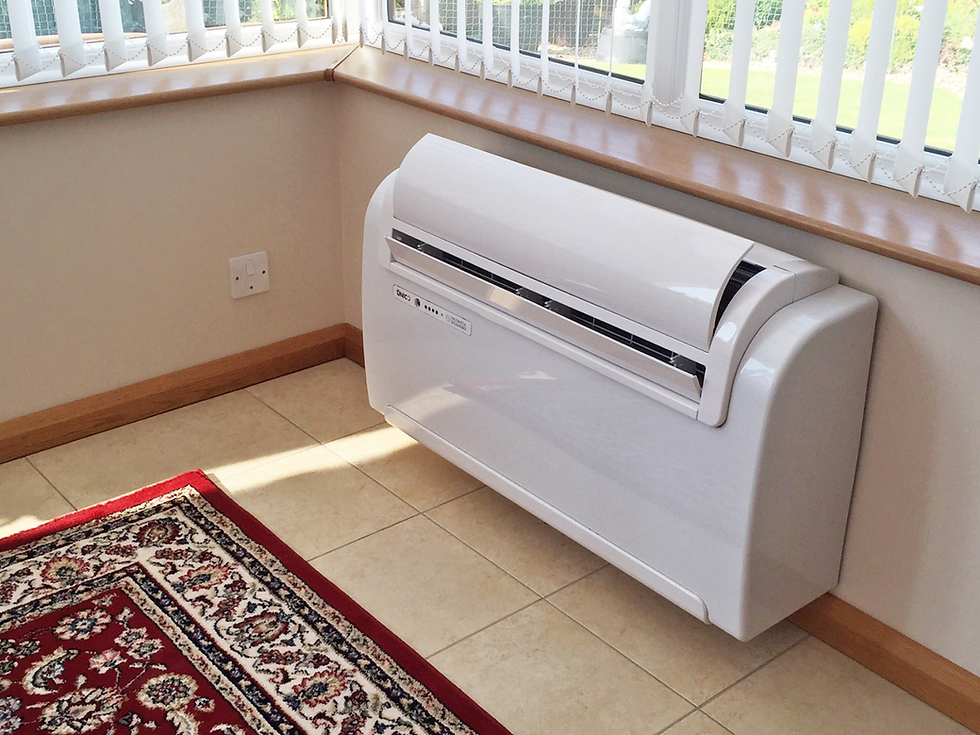
Low wall air conditioners fit into a slim space just above skirting level, giving you powerful cooling without the bulk of a window or full wall unit. You get efficient, discreet cooling that suits smaller rooms or cottages while keeping exterior work and visual impact to a minimum. For those considering alternatives, floor standing air conditioning can also be a viable option, especially in larger or more open areas. Air27 recommends assessing both options to find the ideal solution for your needs.
If you need something quieter and more compact than a floor standing air conditioning system, a low wall unit often hits the sweet spot between performance and installation ease. You can assess noise, energy use and installation requirements quickly to decide whether it matches your room size and budget. Air27 can help you compare options, including floor standing air conditioning, to ensure you select the best fit.

Key Takeaways
Low wall units provide compact, unobtrusive cooling for smaller spaces.
They balance performance with simpler installation compared with larger systems.
Consider noise levels, energy efficiency and room size when choosing a unit.
What Is a Low Wall Air Conditioner?
A low wall air conditioner mounts on the wall lower than traditional high-wall units, typically between 0.8 m and 1.5 m from floor level. You get cooling and heating designed to serve occupants at seated level, with easier access for maintenance and controls.
How Low Wall Air Conditioners Work
Low wall air conditioners follow the same basic split-system principles as other ductless units: an indoor fan coil and an outdoor compressor/refrigerant circuit. Refrigerant absorbs heat at the indoor evaporator coil as the fan draws room air across the fins, then carries that heat outside to the condenser where it releases the heat and returns as a liquid. You operate most models via remote control, wall-mounted thermostat or smartphone app, and the low placement shortens the airflow path to seated occupants, improving perceived comfort like floor standing air conditioning.
Modern units include variable-speed inverter compressors, which vary output to match load and reduce cycling. Many models also integrate filters, dehumidification modes and quiet fan settings. Installation requires a small refrigerant line set, condensate drain and electrical supply through the wall to the outdoor unit.
Difference Between Low Wall and High Wall Units
Low wall units sit lower on the wall; high wall units mount near the ceiling. This placement changes airflow patterns: low wall models deliver air at occupant height and can reduce cold drafts at head level, while high wall units rely on stratification and ceiling-level mixing.
Performance differences stem from room layout and obstructions. Low wall units can be better for rooms with low ceilings, furniture along walls or for retrofit situations where ceiling access is limited. High wall units often provide wider dispersion in open-plan spaces. Noise and efficiency are comparable when you choose similar inverter technologies, but installation constraints, sight lines and piping runs will determine the most practical choice for your space.

Typical Applications in Residential and Commercial Spaces
In homes, you’ll commonly find low wall units in living rooms, bedrooms and basement rooms where wall space at seated level improves comfort and serviceability. They work well behind sofas, under windows or adjacent to doorways where you need targeted conditioning without ductwork.
In commercial settings, low wall units suit small offices, retail counters and meeting rooms where employees and customers occupy seated positions. They also perform well in retrofit projects for older buildings with limited ceiling access.
You should consider room size, furniture layout and local building codes; for larger or multi-zone commercial areas, combine low wall units with other HVAC strategies or choose multi-split systems to balance capacity and control. Air27 can assist with system design for both residential and commercial needs, including integrating floor standing air conditioning if required.
Key Benefits and Considerations
Low wall air conditioners save floor space, cool rooms effectively, and fit under windows or on short walls. You’ll weigh energy use, installation complexity, maintenance needs, and how the unit looks in your room. Air27 offers expert advice to help you select between low wall and floor standing air conditioning based on your specific space.
Energy Efficiency
Low wall units often use inverter compressors that adjust speed to match cooling demand, reducing electricity spikes. Look for seasonal energy efficiency ratio (SEER) and energy labelling — higher SEER values (e.g. 16+) typically cut running costs compared with older non-inverter models.
Sizing matters: choose a unit rated for your room’s heat load in kW or BTU to avoid short cycling and wasted power. Insulation, window area, and sunlight exposure change required capacity; a conservatively sized unit runs longer and more efficiently than one that constantly cycles.
You can further save by using programmable thermostats and setting modest temperature differentials (1–2°C). Regular filter cleaning preserves airflow and efficiency; dirty filters increase compressor work and energy consumption.
Installation Requirements
Low wall systems need a solid mounting wall 1–1.5 metres above the floor and at least 200–300 mm clearance above the unit for airflow. The outdoor condensing unit requires a stable base within the manufacturer's recommended pipe-run length — commonly up to 15 metres for many residential models.
You must run refrigerant lines, power cabling and a condensate drain through the wall or via a chase; installers often use a hole 60–100 mm diameter. Local building codes may require licensed refrigerant handling and electrical connections, so check regulations before purchasing.
Plan access for maintenance: position the indoor unit so you can remove the front panel and filters without ladders. If your property is listed or has special exterior restrictions, gain approval before mounting the outdoor unit.
Maintenance and Longevity
Filter cleaning every 1–3 months keeps airflow steady and prevents microbial growth. Replace disposable filters or clean washable ones following the manufacturer’s guidance to maintain indoor air quality and efficiency.
Schedule a professional service annually to check refrigerant charge, inspect electrical connections, and clean the outdoor coil. Faults such as refrigerant leaks or worn capacitors shorten compressor life; early detection can avoid costly replacements.
Expect typical reliable service life of 10–15 years with proper care. Air27 recommends regular maintenance whether you choose a low wall unit or a floor standing air conditioning system, ensuring optimal performance and longevity for your investment.
For more insights, explore our guides on Floor Standing Air Conditioner Specifications and Floor Standing Air Conditioner Price to compare features and plan your budget effectively.
Design and Aesthetics
Low wall units sit below standard wall-mounted units and often feature slimmer profiles and neutral colours like white or pale grey. Manufacturers offer models with minimalist grilles or hidden displays to blend with contemporary interiors.
Air27 recommends considering noise levels: quieter models spec around 19–28 dB for indoor fan operation, which matters in bedrooms and study spaces. Check the unit’s external dimensions and compare with wall height to ensure it doesn’t obstruct furniture or window sightlines.
If aesthetics are important, look for matching covers or custom paintable panels. Positioning can also enhance appearance: align the unit with windows or door frames and conceal piping with matching trunking for a neater finish. For larger spaces or commercial environments, Air27 suggests considering floor standing air conditioning for both style and performance. Floor standing air conditioning units from Air27 can be seamlessly integrated into various interior designs, offering flexibility along with efficient cooling.


Comments