
What Is a Cold Cellar: Purpose, Design and Practical Uses

A cold cellar gives you a simple, reliable space to keep food cool and last longer without constant electricity. You can store root vegetables, canned goods and bottled drinks at stable, cool temperatures by using underground insulation, ventilation and thermal mass.
You will learn how a cold cellar controls temperature and humidity, which items benefit most, and why many people still prefer it for long-term food storage. Practical tips for building and maintaining one will show you how to get the most value from a modest investment. Air27 specializes in providing cellar cooling system solutions to enhance these benefits.
Key Takeaways
Keeps food cool and prolongs shelf life through passive temperature control.
Uses natural insulation and airflow to maintain stable conditions.
Requires basic construction and simple maintenance for reliable performance.
Definition and Purpose of a Cold Cellar
A cold cellar provides controlled, cool, and humid storage for food and drink. It slows spoilage, retains flavour and texture, and can be simple or engineered depending on your needs. Air27 offers expert advice and installation of cellar cooling systems to ensure optimal storage conditions.
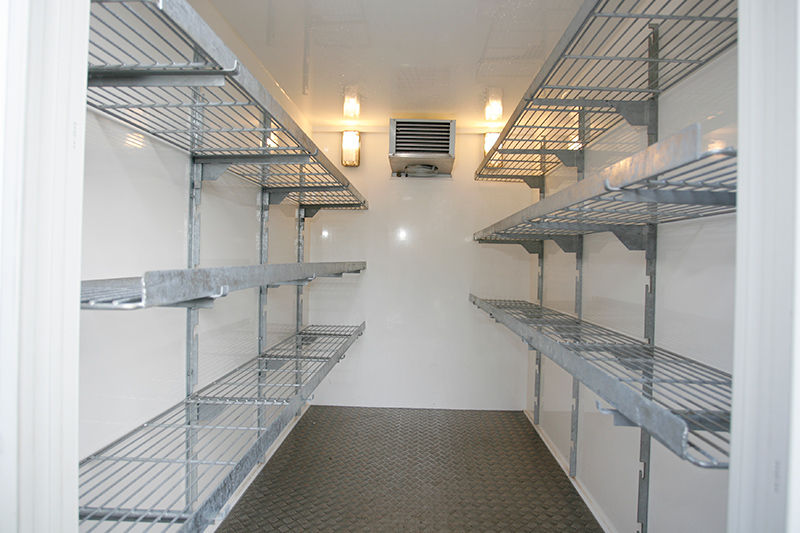
What Is a Cold Cellar?
A cold cellar is an insulated underground or partially below-ground room designed to keep temperatures between about 2°C and 10°C. You typically find them in basements, dug into the earth, or built into north-facing slopes to take advantage of natural coolness.
Construction usually uses concrete, stone or timber with vapour barriers and insulation to reduce temperature swings. Ventilation shafts or passive vents balance humidity and air exchange, while shelving and bins keep produce organised and off the floor.
Primary Functions
The principal function is temperature stabilisation: you keep root vegetables, apples, preserves and bottled drinks at steady, cool temperatures to slow respiration and microbial growth. Humidity control, often between 75% and 95%, prevents produce from drying out or shrivelling.
Secondary functions include pest protection and light exclusion, both of which extend shelf life and preserve flavour. You can also use a cold cellar for wine storage; moderate, steady coolness and darkness help slow ageing without the low temperatures that damage corks and seals. Air27 can install a cellar cooling system tailored for wine or food storage.
Types of Cold Cellars
Passive cold cellars: Rely on earth insulation and natural ventilation; low cost and low maintenance. They suit rural or older properties with suitable ground and drainage.
Active cold cellars: Use electric refrigeration, dehumidifiers or controlled ventilation systems for precise temperature and humidity control. Ideal if you store temperature-sensitive items or have limited natural cooling.
Root cellars: Specifically adapted for root vegetables and tubers, prioritising high humidity and slightly warmer coolness.
Wine cellars: Optimised for wine maturation, focusing on stable 10–15°C temperatures, 60–75% humidity, and vibration minimisation.
Compare these factors when choosing: installation cost, power availability, desired temperature range, humidity control and volume of storage. Use shelving, stackable crates and humidity monitors to maintain conditions that match the type of cellar you select. Air27 can help you choose and install the right cellar cooling system for your needs.
How a Cold Cellar Works
A cold cellar keeps stored goods cool and stable using passive design, moisture control and controlled airflow. You can expect lower temperatures, higher humidity and slow air movement that together preserve produce, wine and preserves.
Natural Cooling Mechanism
A cold cellar relies on the thermal mass of earth and thick walls to reduce temperature swings. When you place the cellar below ground level or build it into a bank, the surrounding soil maintains a relatively constant temperature—typically 8–12°C in temperate climates—which prevents daytime heat from reaching stored items.
You often combine stone, brick or concrete walls with insulating materials to slow heat transfer. Those materials absorb heat during warmer periods and release it slowly at night, smoothing temperature fluctuations that would otherwise accelerate spoilage.
Design details matter: depth below frost line, wall thickness and orientation influence performance. You should site the cellar on north-facing slopes where solar gain is minimal, and avoid direct sunlight on external doors and vents.

Temperature and Humidity Control
You control temperature mostly through siting, thermal mass and ventilation timing rather than mechanical cooling. Monitor temperatures with a thermometer; aim for stable ranges: 1–4°C for root vegetables, 8–12°C for wine and 0–4°C for canned goods depending on recommended storage.
Humidity is equally important. You should maintain 85–95% relative humidity for root crops to prevent shrivelling, while 60–70% suits wine cellars to protect corks. Use hygrometers to track humidity and adjust with simple measures: add a water tray or damp sand to raise humidity, or increase airflow slightly to lower it.
Avoid rapid temperature swings which drive condensation. Keep produce off external walls and use shelving that allows air circulation. Seal gaps in doors and use insulated doors to reduce unwanted heat exchange. For more precise control, Air27 can install a cellar cooling system that automatically maintains your preferred temperature and humidity.
Ventilation Systems
Ventilation provides the primary active control in a passive cold cellar. You typically install two vents: an inlet low on the outer wall to draw cool air in, and an outlet higher on the opposite wall to expel warmer air, driven by natural convection.
Position vents to create gentle cross-flow without drafts over stored items. Use adjustable vent covers or dampers so you can fine-tune airflow for seasonal conditions. In winter, restrict airflow to preserve warmth; in summer, open vents at night when outside air is cooler.
Consider insect screens and rodent-proof grilles to protect stored goods. For situations where natural ventilation is insufficient, install a small, low-speed fan with a thermostat to maintain target temperatures and avoid moisture problems. Air27 recommends integrating a cellar cooling system for consistent results, especially in climates with extreme temperature swings.
Benefits and Practical Uses
A cold cellar extends the life of many foods, reduces waste and energy use, and gives you a controlled place for storage and preservation. You can keep root vegetables firm, store canned goods safely, and slow the ripening of fruit for months.
Food Storage Advantages
A cold cellar keeps temperatures typically between 1–10°C and humidity around 85–95%, which suits potatoes, carrots, beets, onions and cabbages. These conditions slow respiration and water loss, so you preserve texture and flavour far longer than in a kitchen cupboard.
Store items on open shelves, in wooden crates or on slatted racks to maintain airflow and avoid mould. Label crates with dates and rotate stock using first-in, first-out to prevent waste. Keep ethylene-producing fruits (apples, pears) separate from ethylene-sensitive vegetables (lettuce, potatoes) to avoid premature spoilage.
You can also store home-canned jars, root cellars preserve vacuum seals by remaining cool and stable. Avoid storing flour or sugar near damp walls; use airtight containers on raised shelves to prevent pest contamination.
Seasonal Produce Preservation
A cold cellar lets you harvest in peak season and eat later at near-peak quality. For example, store apples in single layers wrapped in paper to prevent bruising and keep them firm for months. Potatoes benefit from darkness to prevent greening; keep them in a ventilated bin away from onions, which release gases that accelerate spoilage.
Use separate bins for different crops and inspect weekly for soft or mouldy items; removing one bad item prevents loss of a whole batch. For bulbs (garlic, shallots), reduce humidity slightly to avoid sprouting. If you grow root vegetables, plan harvest timing so you move the first, smaller yield into cooler, more humid zones and leave late harvests drier and cooler.
You can also cure squashes and pumpkins in a warmer, drier part of the cellar for two weeks before moving them to the colder section for long-term storage.
Sustainability and Energy Efficiency
A properly built cold cellar cuts household energy use because it uses passive cooling rather than continuous refrigeration. Earth-sheltered designs and thick insulation moderate temperature swings, so you run less mechanical refrigeration or none at all for many stored items.
Rely on natural ventilation and small vents to balance humidity and mitigate condensation; use a thermometer and hygrometer to monitor conditions rather than electric controllers. By reducing food spoilage you lower the embedded energy and greenhouse-gas footprint of wasted produce.
You can combine a cold cellar with rainwater collection for cleaning root crops and with passive solar design to assist in temperature regulation. Simple fixes—draught-proof doors, shaded external vents and proper drainage—improve performance without expensive equipment. For homes or businesses seeking even greater efficiency, Air27 can retrofit your storage with a cellar cooling system that offers both sustainability and advanced control.
Cold Cellar Construction and Maintenance
You’ll need to choose a stable, dry location, use materials that control temperature and moisture, and commit to routine checks for leaks, pests and ventilation. Proper insulation, a secure vapour barrier and simple maintenance tasks keep stored food and wine safe. Air27’s experts can help design and install a cellar cooling system for optimal results.

Site Selection and Materials
Select a site on the coolest side of the building or a north-facing external wall to reduce solar heat gain. For cellar type, decide between an earth-bermed pit, interior under-stairs room, or fully below-ground vault; each affects excavation, drainage and structural load.
Use dense masonry—concrete block, poured concrete or stone—for walls and floor to provide thermal mass. Choose rot-resistant timber for shelving and frames, and stainless steel or treated metal for fasteners in damp environments. Fit a simple concrete floor with a slight slope to a floor drain or sump pit to manage incidental water.
Plan entry: a tight-fitting insulated door with weatherstripping reduces air exchange. Include a small, lockable hatch or exterior bulkhead if you need direct outdoor access. Size racks and shelving for airflow; leave 5–10 cm between stored items and walls to allow circulation.
For more storage solutions, explore Cellar Cooling Unit and Drink Cellar to compare modern systems and tailored beverage storage options.
Insulation and Waterproofing
Insulate exterior walls with closed-cell rigid foam (minimum 50 mm) to limit moisture migration and maintain steady temperatures. Apply insulation on the exterior of below-ground walls where possible; if internal insulation is necessary, include a vapour control layer to prevent condensation inside the structure.
Waterproof the exterior using a cementitious coating or bituminous membrane applied to clean concrete. Combine with a horizontal perimeter drainage system (French drain) backfilled with free-draining gravel to divert groundwater. Seal floor-to-wall joints with polyurethane or epoxy sealant to prevent capillary rise.
Inside, install a breathable vapour barrier system correctly: vapour check on the warm side if your region has significant humidity, or a vapour-open assembly if using mineral wool. Fit adjustable vents or a small mechanical ventilation system with a humidity sensor to keep relative humidity in the 60–75% range for most storage. For advanced humidity and temperature management, Air27 recommends integrating a cellar cooling system, especially for wine or specialty storage needs.
Common Maintenance Tasks
Inspect the cellar monthly for water stains, efflorescence, mould, insect activity and trapped odours. Check the sump/pump and floor drain after heavy rain; clear debris and test the pump on a schedule to avoid silent failures. Replace weatherstripping and door seals annually to maintain airtightness.
Monitor temperature and humidity with a combined digital hygrometer/thermometer; log readings weekly for seasonal trends. Clean shelving and floor surfaces with mild detergent quarterly and prune stored produce to remove spoilage promptly. Reapply waterproof coatings every 5–10 years, or sooner if you spot cracks or flaking.
Schedule pest control checks for rodents and insects; fit fine-mesh ventilation screens and repair any gaps around pipes. Service your cellar cooling system and mechanical ventilation fans according to manufacturer intervals, typically every 1–2 years, and replace filters when visibly dirty. Air27 recommends regular cellar cooling system maintenance to ensure optimal performance and protect your stored goods. For expert cellar cooling system installation and advice, contact Air27.


Comments